

Sales teams today juggle leads from dozens of sources—web forms, paid ads, third-party lead vendors, referrals, and social media. Without a system to capture, organize, and act on those leads quickly, businesses lose revenue every single day. This is where a lead management CRM becomes essential. Unlike a generic CRM built for account management, a lead management CRM is purpose-built to handle high volumes of inbound and purchased leads, route them to the right rep, and drive rapid follow-up through calling, texting, and email automation.
In this guide, we'll break down what lead management CRM software actually does, why it matters more than ever in 2026, the core features to look for, and how platforms like LeadMailbox combine telephony, marketing automation, and AI to help sales organizations close more deals while spending less.
What Is a Lead Management CRM?
A lead management CRM is a software platform designed to capture leads from multiple channels, organize them in a centralized database, and provide the tools sales teams need to contact, nurture, and convert those leads into paying customers. While traditional CRMs like Salesforce focus broadly on customer relationships across the entire lifecycle, lead management CRMs specialize in the critical early stage: turning a raw lead into a qualified opportunity.
Core capabilities typically include:
- Lead aggregation from multiple sources (web forms, lead vendors, APIs, social ads)
- Automatic lead distribution to sales reps based on rules like territory, availability, or lead score
- Telephony integration, including auto dialers and click-to-call functionality
- SMS and email campaign automation for nurturing leads that aren't yet sales-ready
- Reporting and analytics to track conversion rates, response times, and rep performance
- AI-powered tools for scheduling, qualifying, and even calling leads automatically
According to research from HubSpot, companies that respond to leads within five minutes are nearly 100 times more likely to connect with them than those that wait 30 minutes or longer. That statistic alone explains why speed-to-lead has become the single most important metric in modern sales operations—and why lead management CRMs with built-in telephony are outperforming generic databases.
Why Lead Response Speed Makes or Breaks Sales Teams
Every minute a lead sits untouched in an inbox or spreadsheet, the odds of conversion drop. A study frequently cited by sales researchers at Harvard Business Review found that firms attempting to contact potential customers within an hour of receiving a query were nearly seven times more likely to qualify the lead than those that waited even slightly longer.
This urgency is exactly why lead management CRMs bundle telephony directly into the platform. Instead of exporting leads to a separate dialer or manually dialing numbers from a spreadsheet, reps can:
- Receive a new lead notification instantly
- Click to call directly from the lead record
- Log call outcomes automatically without manual data entry
- Trigger a follow-up SMS or email sequence based on the call result
Platforms like LeadMailbox build this entire workflow into a single dashboard, eliminating the lag between lead capture and first contact. For call centers and sales teams that purchase leads from third-party vendors, this speed advantage often determines whether a lead purchase is profitable or wasted spend.
Essential Features of a Modern Lead Management CRM
Not all lead management platforms are created equal. When evaluating software, sales leaders should look closely at the following capabilities.
Lead Aggregation and Centralization
The best systems pull leads automatically from multiple sources—website forms, Facebook and Google ads, lead marketplaces, and referral partners—into one unified inbox. This prevents leads from getting lost across disconnected spreadsheets or inboxes and ensures every lead is logged with source attribution for accurate ROI reporting.
Auto Dialer and Click-to-Call Telephony
Manual dialing is one of the biggest productivity drains in outbound sales. An auto dialer can queue up call lists and dial automatically, while click-to-call lets reps initiate a call with a single click from within the lead record. Both features dramatically increase the number of dials a rep can make per hour.
SMS and Email Campaign Automation
Not every lead is ready to talk immediately. Automated SMS and email drip campaigns keep leads warm, share helpful content, and re-engage cold contacts without requiring manual follow-up from a rep. This is particularly valuable for long sales cycles or industries like insurance, real estate, and financial services.
AI-Powered Calling and Scheduling Agents
One of the biggest shifts in 2026 is the rise of AI agents that can place outbound calls, qualify leads through conversation, and automatically schedule appointments on a rep's calendar. This reduces the manual burden on human agents and ensures that every lead—even those that come in after hours—gets immediate engagement.
Reporting and Analytics
Sales managers need visibility into which lead sources convert best, how quickly reps respond, and where leads drop off in the pipeline. Strong reporting dashboards allow data-driven decisions about which lead vendors to keep paying for and which reps need coaching.
Affordable, Flexible Pricing
Many enterprise CRMs lock businesses into annual contracts and steep per-seat pricing. Lead management CRMs designed for small and mid-sized sales teams, like LeadMailbox, often offer month-to-month plans, which reduces financial risk and makes it easier to scale up or down as lead volume changes.
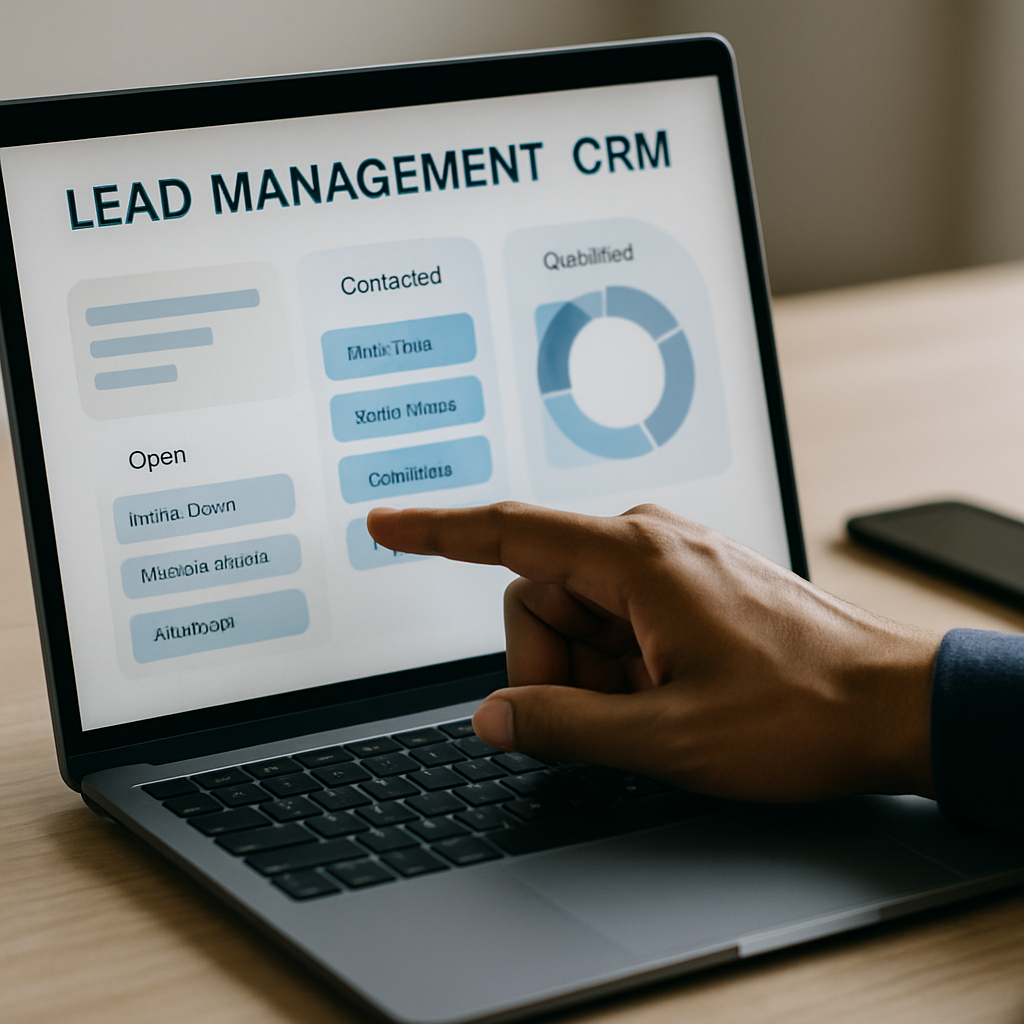
Comparing Lead Management CRM Approaches
The table below outlines how different types of CRM solutions typically stack up for teams that specifically manage high volumes of purchased or inbound leads.
| Feature | Generic CRM (e.g., spreadsheet-based) | Enterprise CRM (e.g., Salesforce) | Lead Management CRM (e.g., LeadMailbox) |
|---|---|---|---|
| Lead aggregation from multiple sources | Manual | Requires custom integration | Built-in |
| Auto dialer / click-to-call | Not available | Add-on cost | Included |
| SMS/email automation | Not available | Add-on cost | Included |
| AI calling & scheduling agents | Not available | Limited/emerging | Included |
| Pricing model | Free but labor-intensive | Annual contracts, per-seat | Month-to-month, affordable |
| Setup complexity | Low but inefficient | High, often needs consultants | Low to moderate |
| Best for | Very small teams | Large enterprises | Sales teams & call centers buying/generating leads |
As the table shows, general-purpose spreadsheets lack the automation needed to compete at scale, while enterprise CRMs often require significant investment in customization and staffing just to replicate what a purpose-built lead management CRM already includes out of the box.
How AI Is Transforming Lead Management in 2026
Artificial intelligence has moved from a buzzword to a practical tool inside lead management software. According to McKinsey's research on AI adoption, organizations that integrate AI into customer-facing workflows report measurable gains in both efficiency and conversion rates. In the context of lead management, AI is being used in several concrete ways:
- AI calling agents that can dial leads, ask qualifying questions, and hand off qualified conversations to a human rep
- AI-based scheduling that books appointments directly onto a sales rep's calendar without back-and-forth emails
- Predictive lead scoring that ranks leads based on likelihood to convert, helping reps prioritize their time
- Conversational SMS bots that answer common questions and keep leads engaged between human touches
For sales teams and call centers that purchase leads in bulk, AI agents are particularly valuable because they ensure every single lead gets immediate contact attempts—even outside business hours or during high-volume periods when human reps are overwhelmed. LeadMailbox's AI-powered calling and scheduling tools are built specifically to solve this problem, allowing smaller teams to compete with much larger call centers in terms of responsiveness.
Lead Management CRM Pricing: What to Expect
Pricing is often the deciding factor for small and mid-sized businesses evaluating CRM options. The table below compares typical pricing structures across different categories of software as of 2026.
| Solution Type | Typical Monthly Cost (per user) | Contract Length | Telephony Included? |
|---|---|---|---|
| Basic CRM software | $10–$25 | Monthly or annual | Rarely |
| Enterprise CRM suite | $75–$300+ | Annual, often multi-year | Add-on, extra cost |
| Dedicated dialer software | $50–$150 | Monthly | Yes, but no CRM features |
| Integrated lead management CRM (e.g., LeadMailbox) | $30–$100 | Month-to-month | Yes, built-in |
Because LeadMailbox combines telephony, SMS/email automation, and CRM functionality into one platform with flexible month-to-month billing, businesses avoid paying for multiple disconnected tools or committing to long-term contracts before they've validated ROI.
Best Practices for Implementing a Lead Management CRM
Choosing the right software is only half the equation—successful implementation determines whether a team actually sees results. Consider these best practices:
- Map your lead sources first. Before choosing software, document every channel that generates leads so you can confirm the CRM supports the necessary integrations.
- Set clear response-time goals. Establish an internal standard (e.g., contact every lead within five minutes) and use CRM reporting to measure compliance.
- Automate the first touch. Use auto dialers, SMS, or AI agents to make first contact instantly, even if a human follow-up happens later.
- Segment leads by intent and source. Not all leads should receive the same follow-up cadence; segment campaigns accordingly.
- Train reps on the dialer and CRM together. Telephony and CRM data entry should feel like one seamless motion, not two separate systems.
- Review analytics weekly. Identify which lead sources and campaigns are producing the best conversion rates and reallocate budget accordingly.
- Start month-to-month. Especially for growing teams, avoid annual contracts until you've validated the platform's fit for your workflow.
Following a structured rollout, as recommended by sales operations experts at Gartner, significantly increases CRM adoption rates among reps—one of the most common reasons CRM investments fail to deliver ROI.

Common Mistakes Businesses Make With Lead Management
Even with the right software, many organizations undermine their own results through avoidable mistakes:
- Letting leads sit unassigned. Without automatic distribution rules, leads can go untouched for hours or days.
- Ignoring lead source data. Failing to track which sources convert best leads to wasted ad and lead-buying spend.
- Overloading reps with manual dialing. Reps spend more time dialing than talking to prospects, reducing overall productivity.
- Neglecting nurture campaigns. Not every lead converts on the first call; without automated SMS/email nurture sequences, many warm leads go cold.
- Choosing overly complex software. Enterprise platforms with steep learning curves can slow down small teams instead of helping them.
- Locking into long contracts too early. Committing to annual pricing before validating a platform's effectiveness increases financial risk.
Avoiding these pitfalls typically requires software that's specifically designed for lead-driven sales motions—not a general-purpose CRM retrofitted with add-ons.
Who Benefits Most From a Lead Management CRM?
While almost any sales-driven organization can benefit from better lead management, certain business types see especially strong returns:
- Call centers that handle high call volumes and need auto dialers plus real-time reporting
- Insurance agencies that purchase leads from aggregators and must contact them within minutes to stay competitive
- Real estate teams managing long nurture cycles that require consistent SMS and email touchpoints
- Home services companies (solar, roofing, HVAC) that generate leads through digital ads and need fast phone follow-up
- Financial services firms that need compliant, trackable communication with prospects
- Marketing agencies managing lead flow on behalf of multiple clients
For all these use cases, the combination of telephony, automation, and AI-driven follow-up inside a single affordable platform—like the system offered by LeadMailbox—removes the operational friction that typically slows down lead conversion.
Conclusion: Choosing the Right Lead Management CRM
A lead management CRM isn't just a database—it's the operational backbone that determines how quickly and effectively your team turns leads into revenue. The right platform should aggregate leads automatically, provide built-in telephony for instant contact, automate SMS and email nurture campaigns, and increasingly, leverage AI to ensure no lead is ever left waiting.
For sales teams, call centers, and lead-buying businesses looking for an affordable, all-in-one solution without long-term contracts, LeadMailbox offers a purpose-built platform that has been refined since 2004 to meet exactly these needs. By combining lead aggregation, telephony, marketing automation, and AI-powered agents into one month-to-month subscription, LeadMailbox helps organizations stay organized, respond faster, and ultimately increase sales while keeping costs predictable and manageable.
Article written by FrontRank